
 June 9, 2026
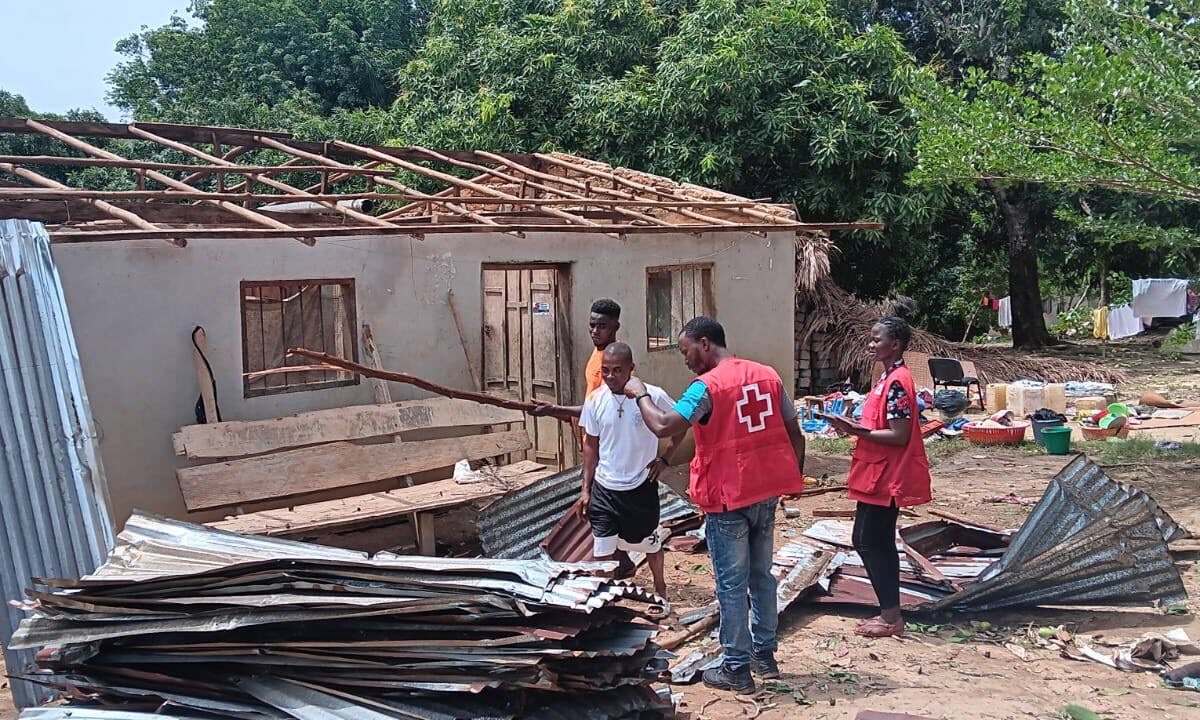
After violent windstorms tore through communities in Nimba and Lofa Counties in March, damaging homes and displacing families, the European Union (EU) has allocated €100,000 (over 21 million Liberian dollars) in humanitarian aid emergency funding to support the most affected.
The EU funding aims to address the urgent needs of 372 households (2,604 people), providing emergency assistance while supporting early recovery and strengthening community resilience.
The four-month operation will address basic needs and provide emergency shelter, essential household items, hygiene and health support and multi-purpose cash assistance, helping affected families stabilise and begin to recover. Particular attention will be paid to vulnerable groups, including women, children, older people and people with disabilities, to ensure they have fair, safe and dignified access to aid.
This funding is part of the EU’s overall contribution to the Disaster Response Emergency Fund (DREF) of the International Federation of Red Cross and Red Crescent Societies (IFRC).
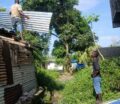
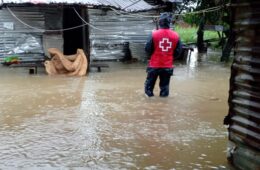
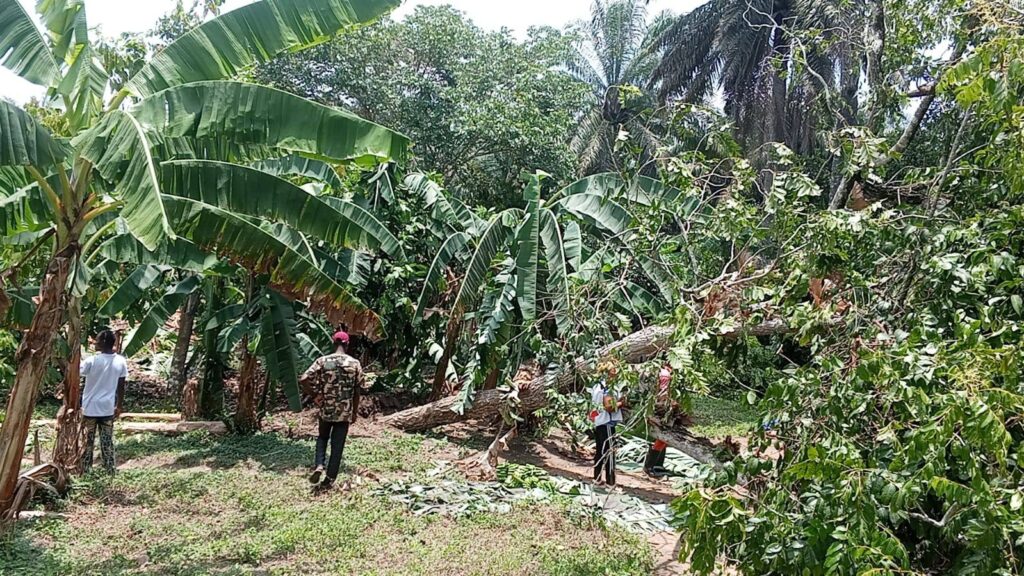
Between 19 and 24 March 2026, violent windstorms struck multiple communities in northern Liberia, affecting 11 communities, six in Nimba County and five in Lofa County, leaving households exposed to harsh weather and without basic necessities.
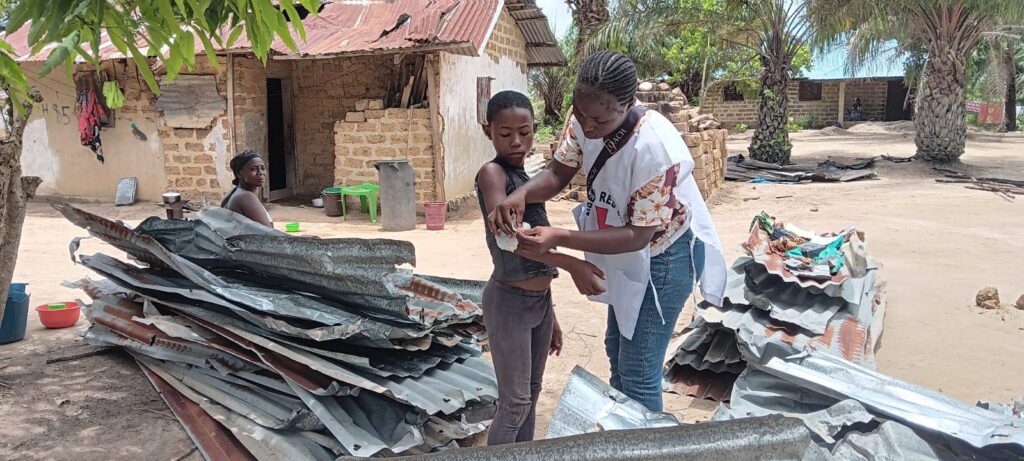
The storms have disrupted livelihoods, particularly among households dependent on subsistence farming and small-scale economic activities. Loss of tools, seeds, and household assets, combined with displacement, has weakened coping mechanisms and increased food insecurity. Women and children face heightened protection risks, while older persons and people with disabilities encounter barriers in accessing aid and safe shelter.
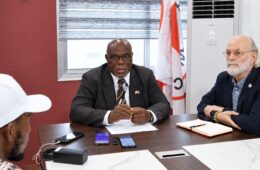
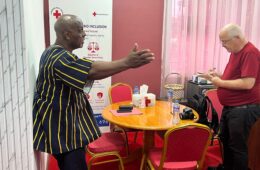
In response, the Liberia National Red Cross Society has described the EU support as a welcoming and timely development to restore hope and dignity to the affected people and community. “On behalf of the Liberia National Red Cross Society, I extend our deepest gratitude to the European Union (EU) for its generous allocation of €100,000 in humanitarian emergency funding to support families affected by the devastating windstorms in Nimba and Lofa Counties. This support is more than financial assistance — it is a lifeline to the 372 households who lost homes, belongings, and stability in the wake of disaster”, the Secretary General and CEO of the Liberia National Red Cross Society, Gregroy T. Blamoh acknowledged.
Mr. Blamoh added that the EU support is not just aid; it is dignity restored, hope renewed, and resilience strengthened. It means that a mother will have shelter for her children, an elderly person will receive care, and families will begin to rebuild their lives with courage and confidence. We are proud to lead this operation in partnership with the International Federation of Red Cross and Red Crescent Societies (IFRC), ensuring that the most vulnerable — women, children, older people, and persons with disabilities — have fair, safe, and dignified access to assistance”, Mr. Blamoh added.
The currently working with affected communities in both Nimba and Lofa to offer Cash assistance to affected families, provide shelter materials for the reconstruction of affected homes, and support in the area of water, sanitation and hygiene promotion for affected communities.
Background
The EU and its Member States are the world’s leading donor of humanitarian aid. Relief assistance is an expression of European solidarity towards people in need around the world. It aims to save lives, prevent, and alleviate human suffering and safeguard the integrity and human dignity of populations affected by natural disasters and man-made crises.
Through its Civil Protection and Humanitarian Aid department, the EU helps millions of victims of conflicts and disasters every year. With headquarters in Brussels and a global network of field offices, the EU provides assistance to the most vulnerable people on the basis of humanitarian needs.
The European Commission has signed a €12 million humanitarian delegation agreement with the International Federation of Red Cross and Red Crescent Societies (IFRC), to support the Federation’s Disaster Response Emergency Fund (DREF).
The Disaster Response Emergency Fund (DREF) was established in 1979 and is supported by contributions from donors. Each time a National Red Cross or Red Crescent Society needs immediate financial support to respond to a disaster, it can request funds from the DREF. For small-scale disasters, the IFRC allocates grants from the Fund, which can be replenished by the donors. The delegation agreement between the IFRC and the EU Civil Protection and Humanitarian Aid department enables the latter to replenish the DREF for agreed operations (within its humanitarian mandate) up to a total of €12 million.