
 July 22, 2026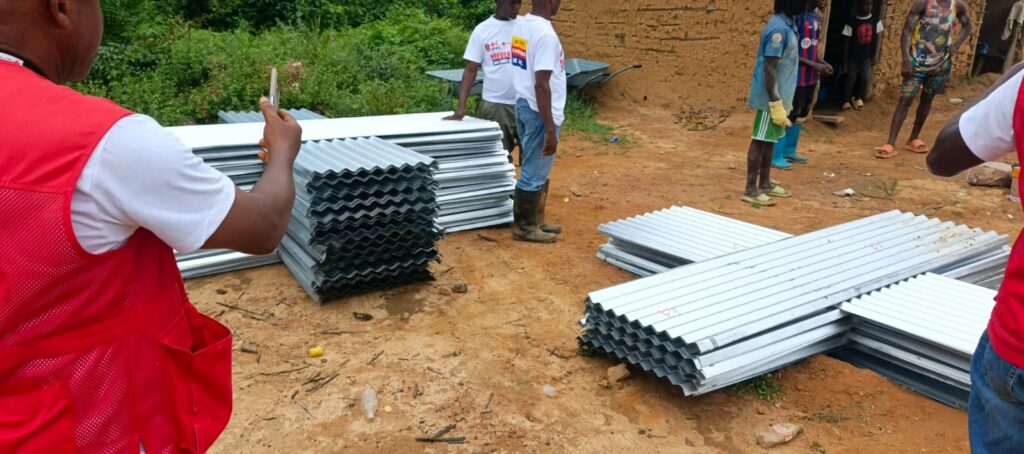
The Liberia National Red Cross Society (LNRCS) has completed cash and material assistance to 531 families affected by the multiple fire outbreaks and windstorm disaster that struck communities across five counties in March, even as the organization now turns its attention to an escalating flooding emergency in Monrovia and other flood-prone areas.
Speaking at a press conference in Monrovia, LNRCS Secretary General and Chief Executive Officer Gregory T. Blamoh said the assistance — delivered with support from the International Federation of Red Cross and Red Crescent Societies (IFRC), the European Union, and the Swedish Red Cross — reached 158 families affected by the fire outbreaks and 373 families affected by the windstorm, including 238 female-headed households.
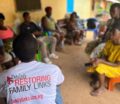
“These achievements reflect not only the physical recovery of homes and livelihoods but also the emotional and social healing of families,” Blamoh told reporters. “Many households have been able to secure rent, pay school fees, purchase food, and even start small businesses. Families can smile again, sleep safely, and look to the future with renewed confidence.”
Back-to-Back Disasters in March
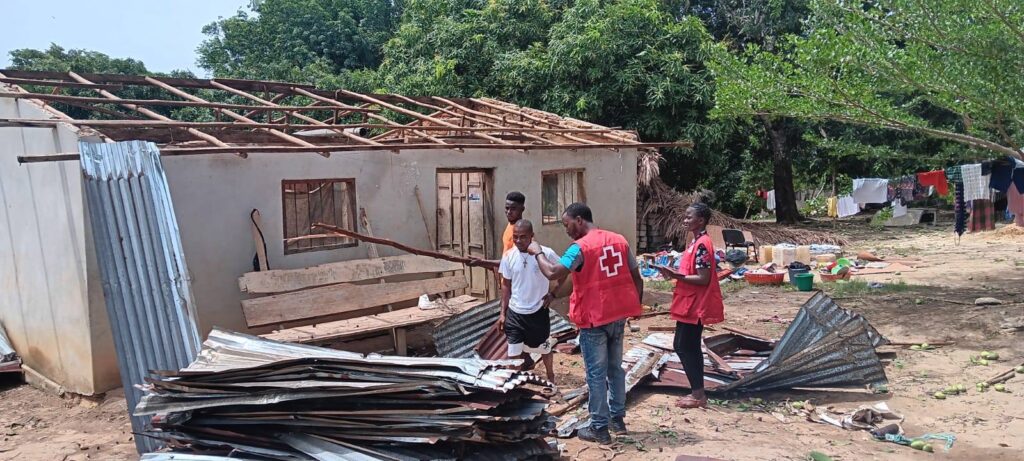
In March, Liberia was struck by two major emergencies in quick succession. Multiple fire outbreaks affected 1,643 people across Grand Cape Mount, River Cess, Margibi, Nimba, and Montserrado Counties, destroying or damaging 61 houses. Shortly after, a severe windstorm tore through Nimba and Lofa Counties, affecting 3,704 people and damaging 213 houses.
In both disasters, families lost their homes, food supplies, and essential belongings overnight. The LNRCS launched a local appeal for US$50,000, but was not achieve, prompting the IFRC to step in with Disaster Relief Emergency Fund (DREF) support totaling approximately US$520,000 — US$365,000 for the windstorm response in Lofa and Nimba, and US$170,000 for the fire response across the five affected counties.
How the Assistance Was Delivered
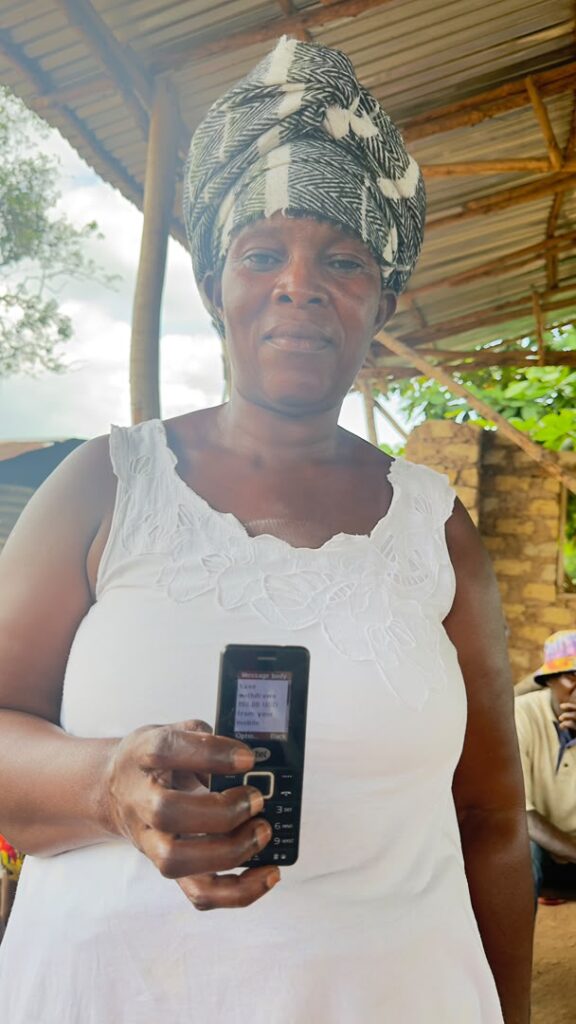
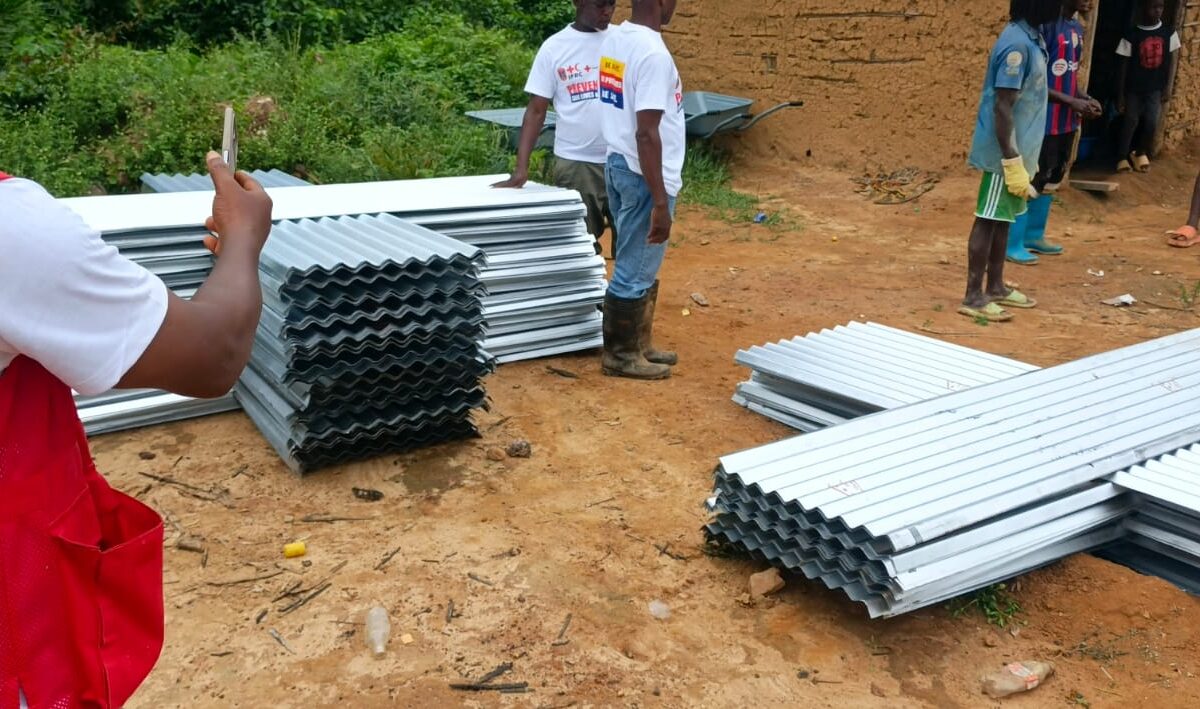
Under the windstorm response, each affected family in Nimba and Lofa Counties received USD 202 in cash assistance to help stabilize their households and meet immediate needs. Depending on the extent of damage to their homes, families also received two to three bundles of zinc sheets and nine to ten bags of cement for reconstruction, along with essential household items including cooking utensils, blankets, sleeping mats, mosquito nets, water storage barrels, and drinking buckets.
Under the fire response, 97 families who were renting or living in affected houses each received USD 227 in cash assistance to cover basic food and other essential needs, while 61 house owners whose homes were destroyed received USD 572 each as combined support for food and shelter recovery.
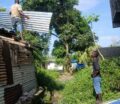
In Bethel Town, River Cess County, the Red Cross is supporting families to “build back better,” using cement and dirt bricks to construct 27 durable homes. Local technicians were also engaged to repair homes belonging to vulnerable women, including widows, single mothers, and elderly women, ensuring shelter recovery was inclusive and dignified.
Beyond shelter and cash support, the Red Cross trained 50 women across 10 backyard garden groups in Climate-Smart Agriculture, reaching 100 women in 10 communities as part of efforts to strengthen food security and resilience against future climate shocks. Communities also received cleaning tools, and ongoing work continues to repair and restore water points to ensure access to safe drinking water.
“We would not have achieved this without the support of the IFRC through the Disaster Relief Emergency Fund, the European Union, and the Swedish Red Cross,” Blamoh said. “We also recognize the solidarity of the Liberian people and the dedication of our Red Cross volunteers and staff, whose commitment ensured assistance reached those most in need.”
Next Focus: Escalating Flooding in Monrovia & Elsewhere
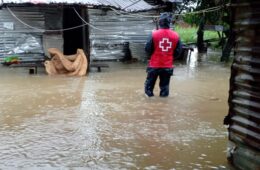
Even as it closes out the fire and windstorm operations, the LNRCS says its attention is now turning to a worsening flooding crisis in Monrovia and other flood-prone areas, which has left families homeless, displaced, and struggling to meet their most basic needs.
On July 7, 2026, LNRCS volunteers and staff conducted a Rapid Emergency Needs Assessment in two flood-affected communities, surveying 233 households. The findings point to a severe humanitarian situation: 73 percent of households experienced flooding inside their homes, 74 percent reported unsafe shelter conditions, and more than 90 percent lost their household food stocks. Ninety-one percent of water sources were found contaminated by floodwater, 56 percent of households rely on unsafe, unprotected wells, and 88 percent of communities showed poor sanitation conditions.
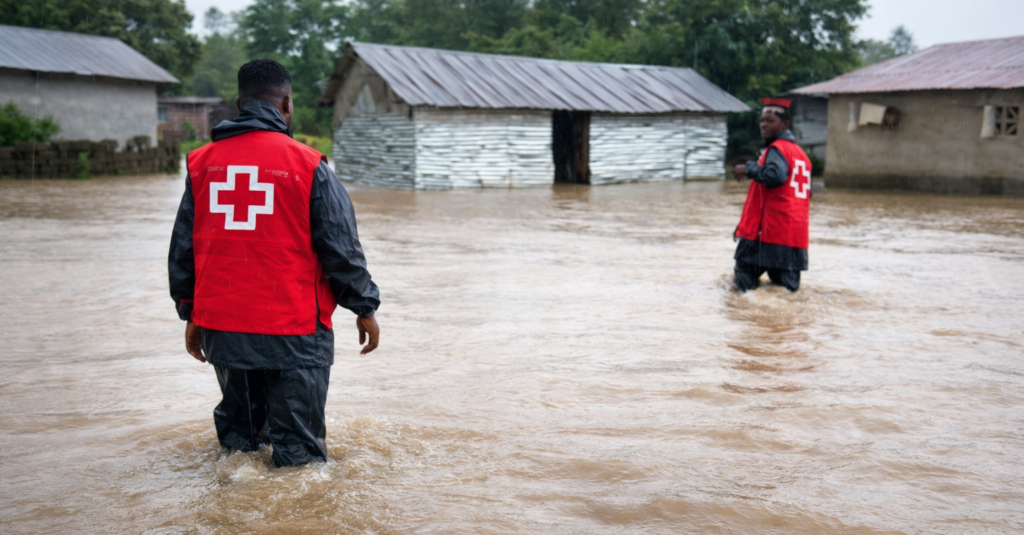
As with the fire and windstorm disasters, the flooding is hitting hardest among the most vulnerable — female-headed households, persons with disabilities, the elderly, children under five, and families without access to income — who face compounded risks to their health, safety, and dignity.
“The scale and severity of these findings make clear that the needs on the ground far exceed our current resources,” Blamoh said. “We are calling for urgent and increased support — from government, our partners, and the Liberian public — to scale up emergency food assistance, restore access to safe water and sanitation, and protect the safety and dignity of those bearing the heaviest burden of this crisis. Every day of delay deepens the suffering of families who have already lost their homes and livelihoods. The time to act is now.”
In response, the LNRCS has allocated USD 10,000 from its annual government support to strengthen emergency flood operations. “This funding is being directed toward immediate relief, including food assistance, shelter support, and restoring access to safe water and sanitation. While this contribution is vital, the scale of needs on the ground far exceeds available resources, requiring urgent and expanded support from all stakeholders” the Red Cross CEO pointed out.
The Liberia National Red Cross Society says it will continue to monitor flood-prone communities across the country and is appealing for additional resources to mount a timely response as the rainy season continues.