
 July 6, 2026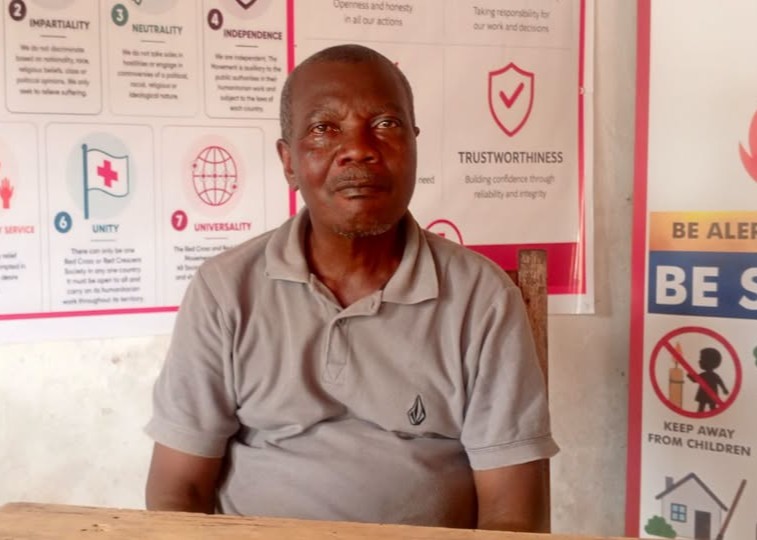
When fire tears through a home, it doesn’t just destroy walls and roofing sheets — it destroys a sense of safety. Across Grand Cape Mount, Rivercess, Margibi, Nimba, and Montserrado Counties, hundreds of families know this pain all too well. But thanks to emergency funding from the International Federation of Red Cross and Red Crescent Societies (IFRC) through its Disaster Relief Emergency Fund (DREF), many of them are now rebuilding — not just their houses, but their lives.
A Fire That Took Everything, and a Call That Changed Everything
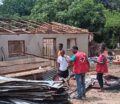
Joseph Kulbah, a resident of Kerteh Town in Dolo Town, Firestone District, Margibi County, was at work on March 18, when a mysterious fire swept through his four-bedroom home. By the time he returned, nearly everything he owned was gone. No lives were lost that day, but for Kulbah, the loss still felt overwhelming.
“I felt like all hope was gone when my house was gutted by fire,” he recalled. Kulbah reached out to several organizations in the difficult weeks that followed, but meaningful help was hard to come by — until the Liberia National Red Cross Society (LNRCS) Margibi Chapter called.
He almost missed that first call. When the Red Cross reached out again, he answered — and what followed changed the course of his recovery. He received US$345 in emergency assistance, followed about a week later by an additional US$227, bringing his total support to US$572.
“When Red Cross called me the first time, I didn’t answer. They called again, and after I responded, I received US$345. Later that same week, I received another US$227,” he said.
The impact went beyond the money itself. Kulbah described the support as timely and life-changing — so much so that he decided to become a full member of the Liberia National Red Cross Society, in recognition of the humanitarian service that reached him when he needed it most.
A Home Rebuilt, One Sheet of Zinc at a Time
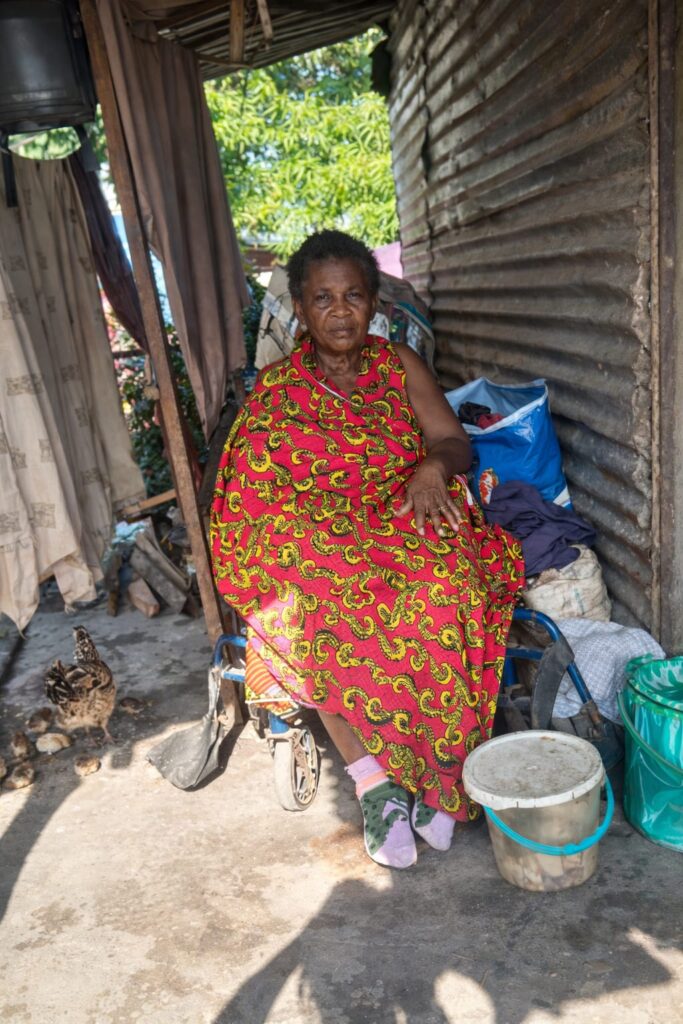
That same fire-response funding reached other families too — some of them among the most vulnerable in their communities. In one household, a similar amount — US$227 — meant the difference between despair and dignity for Famatta Kermue, 67, a woman living with a physical disability who depends on a wheelchair to move. Her story was shared on her behalf by her friend and neighbor, Lucy J. Bondo.
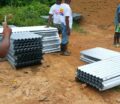
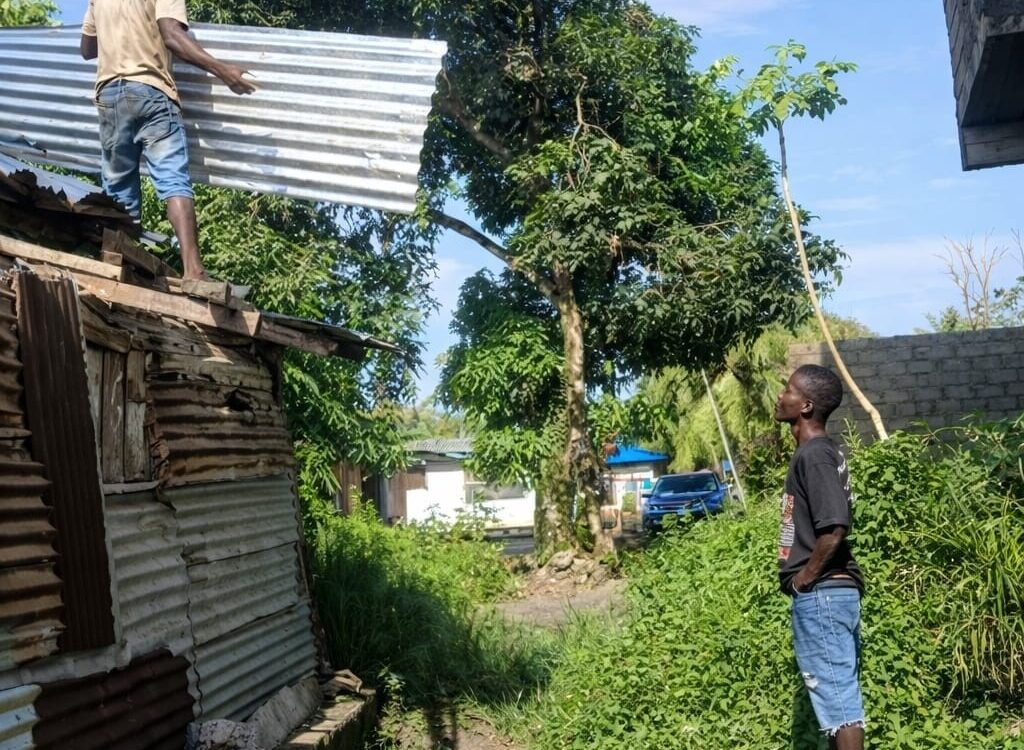
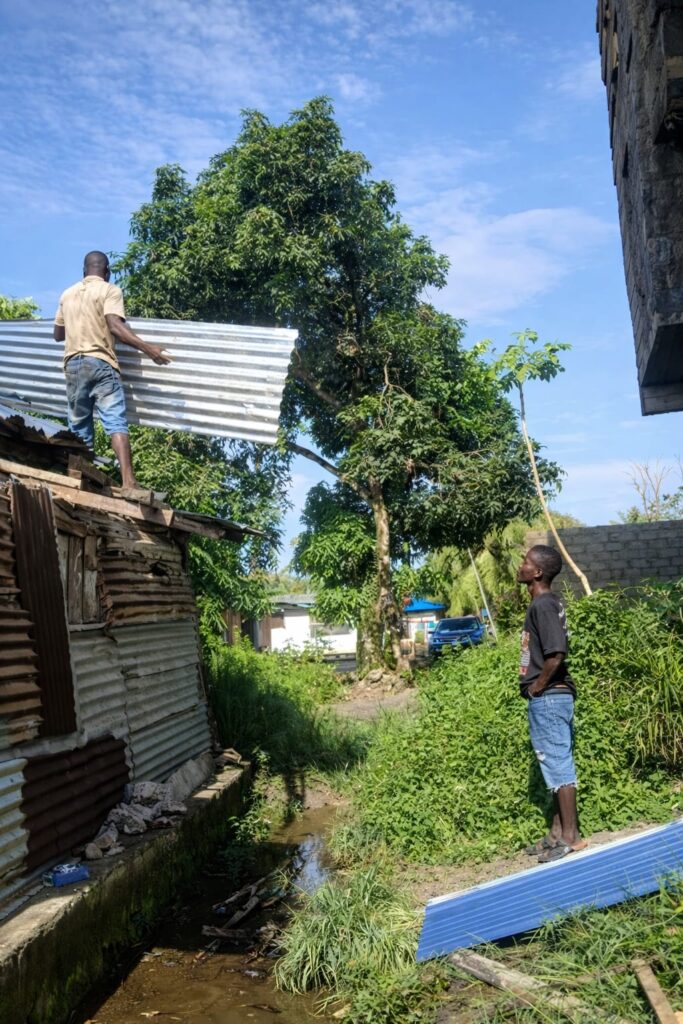
Famatta was hit harder by the fire than most. Unable to walk, unable to rebuild with her own hands, she watched her world reduced to almost nothing. And yet, slowly, she found the strength to rise again. With grit and the help of those around her, she erected a round zinc structure to shelter herself — and it was the support from the Red Cross that allowed her to finally roof it, giving her walls that could keep out the rain and a door she could call her own again.
What remained of the funds bought something just as precious in its simplicity: a mattress and a pair of pillows, so that a woman who had already endured so much would no longer have to sleep without comfort.
“We hope and pray that the International Red Cross Society and other international partners can provide more support to the LNRCS, so that they may be able to help our vulnerable citizens — because Famatta is not alone,” Bondo wrote in her letter of appreciation to the Liberian Red Cross.

That single sentence carries the weight of thousands of others like Famatta — people whose disabilities or age make disaster recovery an even steeper climb, and for whom a small act of solidarity can mean the difference between being forgotten and being seen.
Famatta’s recovery did not stop there. Beyond the Red Cross assistance, she went on to receive her first wheelchair from the Monrovia Rehabilitation Center, and other support. What began as an emergency response from the Red Cross had quietly set in motion a wider circle of care — proof that one act of kindness, at the right moment, can ripple outward and carry a vulnerable woman from despair back toward dignity.
Turning Emergency Funds Into Everyday Dignity
These two stories are part of a much larger response. In March, there were multiple fire outbreaks that destroyed several homes but the Red Cross support covered 61 houses and affected 1,643 people across Rivercess, Margibi, Nimba, and Montserrado Counties, after the the IFRC approved nearly US$170,000 to provide emergency shelter, multipurpose cash assistance, non-food items, psychosocial support, and fire-prevention awareness campaigns to help communities reduce future risks.
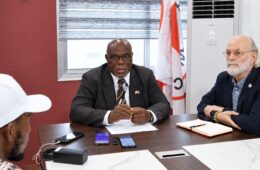
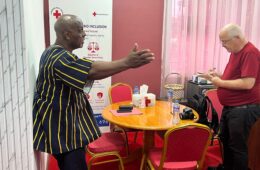
Liberian Red Cross Secretary General and CEO Gregory T. Blamoh called the funding approval a significant step in strengthening humanitarian response across the country, noting that it gives families both immediate relief and a foundation for longer-term recovery. He added that Red Cross volunteers and staff deployed on the ground assessed the damage and identified people with compelling needs.
For Joseph Kulbah and Famatta Kermue, that response wasn’t a line item in a budget — it was a phone call answered, a roof repaired, a mattress to sleep on, and a reason to believe that hope had not, in fact, run out. “We are grateful for all your support,” Bondo wrote. “May God Almighty continue to bless the works of your hands.”