
 May 21, 2026
Strengthening Family Connections Across Communities
Liberia’s history of civil conflict, migration, deportation, and recurring disasters has left countless families separated from their loved ones. From the civil wars to the Ebola outbreak, and now climate‑induced displacement, many Liberians have lost contact with relatives both abroad and within the country. The emotional toll of not knowing whether loved ones are alive or dead remains one of the most pressing humanitarian challenges.
Restoring Family Links (RFL), also known as Protecting Family Links (PFL), is a core humanitarian service of the Red Cross and Red Crescent Movement. It ensures that families separated by crises can reconnect, exchange news, and regain a sense of dignity and belonging. For Liberia, relaunching these services is not just timely — it is essential to address the growing needs of returnees, deportees, and internally displaced persons.
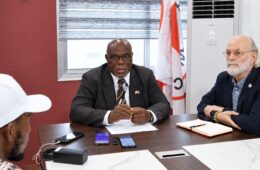
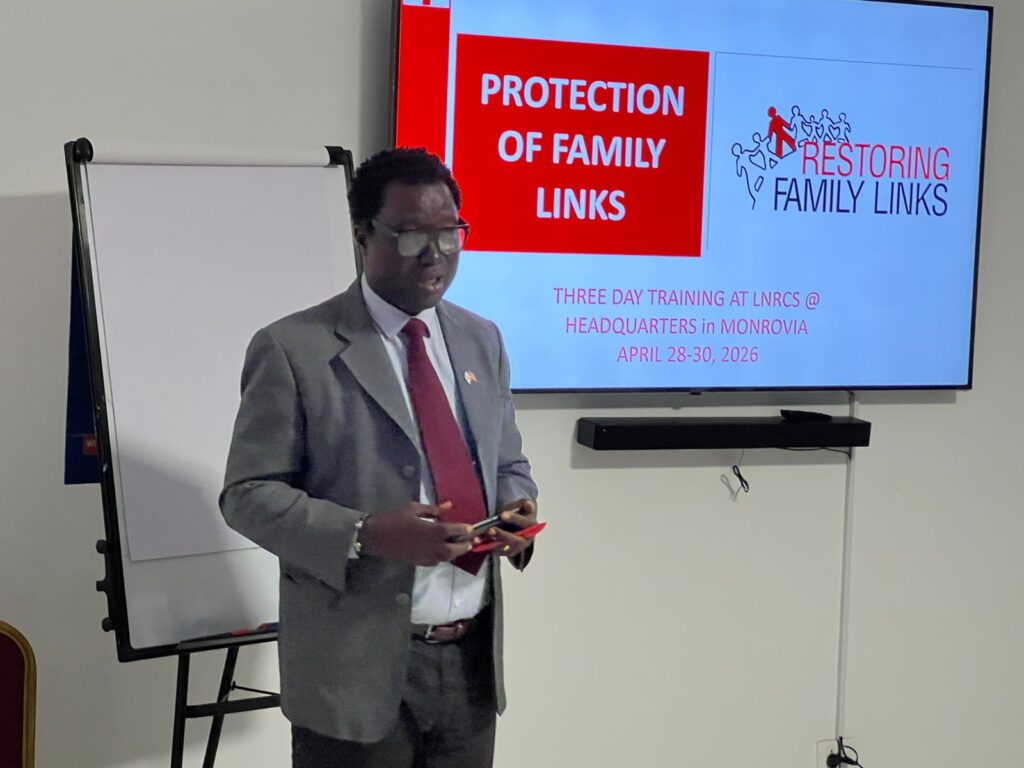
The Liberia National Red Cross Society (LNRCS), in collaboration with the International Committee of the Red Cross (ICRC), has resumed RFL services nationwide. This partnership provides technical expertise, financial support, and global networking capacity, ensuring that Liberians can benefit from the Family Links Network that spans across continents. During the opening of the three‑day training for volunteers as part of the reintroduction of RFL activities in Liberia, the LNRCS CEO and Secretary General Gregory T. Blamoh emphasized the deeper purpose of this initiative:
“The Red Cross has always been a lifeline to communities. The services we provide are not just helpful — they are essential. You are here to continue our humanitarian tradition. Let this not be another workshop, but an opportunity to learn, grow, and serve our people better. We are grateful to the ICRC for their support and continued partnership.”
Setting the Priorities for the Relaunch
The relaunch focuses on three clear objectives: clarifying the fate of missing persons, strengthening the capacity of the National Society, and protecting personal data. These priorities ensure that families receive timely, accurate information, that volunteers are well‑equipped, and that trust in the Red Cross remains strong. The RFL services will include tracing requests, telephone calls, Red Cross Messages (RCM), and radio programs. Each service is designed to meet specific needs — whether reconnecting deportees with relatives, enabling communication across borders, or broadcasting names of missing persons when other methods fail.
Networking with Other Actors
To maximize the impact of Restoring Family Links (RFL) services, the Liberia National Red Cross Society (LNRCS) is committed to engaging and coordinating with both national and international institutions working on migration‑related activities. These include the International Organization for Migration (IOM), UNHCR Liberia, HOPE Liberia, ActionAid Liberia, Plan International, CEDS Liberia, the Liberia Immigration Services, the Liberia National Police (Women and Children Division), the Liberia Refugee Repatriation and Resettlement Commission (LRRRC), and the National Disaster Management Agency (NDMA).
By building strong partnerships with these actors, the LNRCS will strengthen outreach, ensure comprehensive support for separated families, and create a coordinated humanitarian response that leaves no family behind. The LNRCS will coordinate and collaborate with these institutions with relation migrant activities to strengthen the reach of RFL services and ensures that no family is left behind.
“Restoring Family Links cannot be achieved by the Red Cross alone. We must work hand in hand with government institutions, migration actors, and community leaders. Together, we can ensure that no family is left behind and that every missing person’s fate is clarified.” The LNRCS CEO Blamoh pointed out.
Strengthening the Capacity on the ground
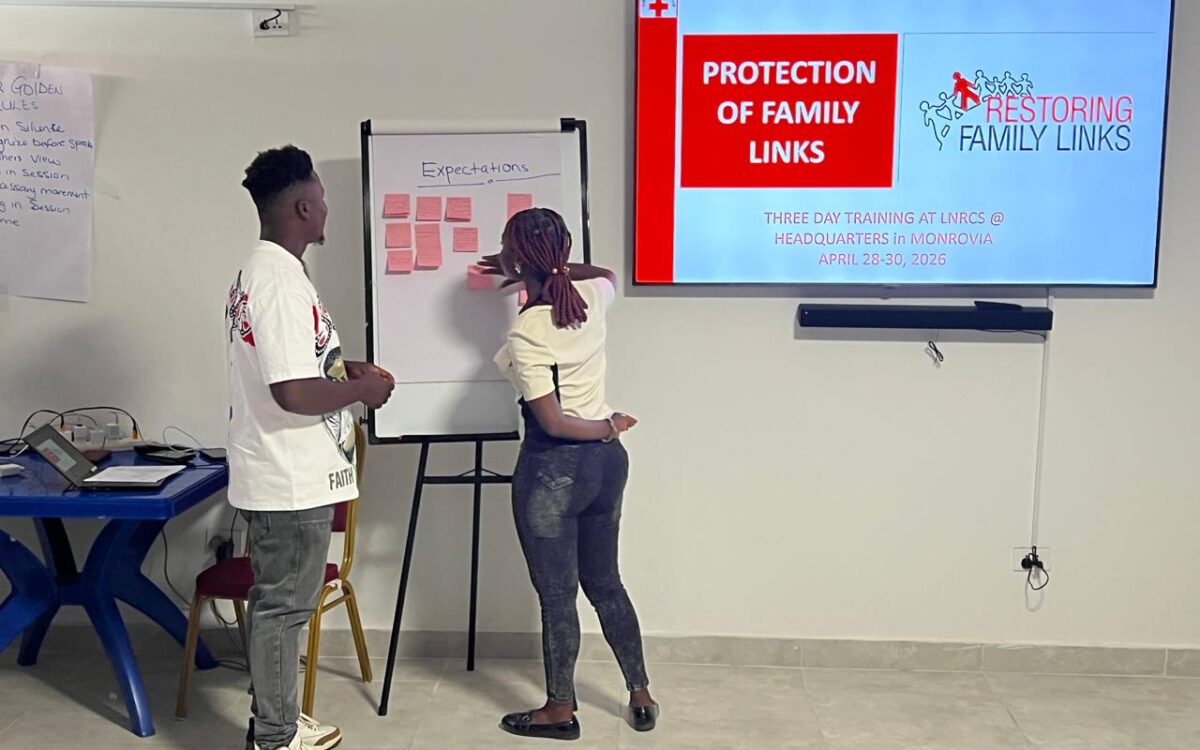
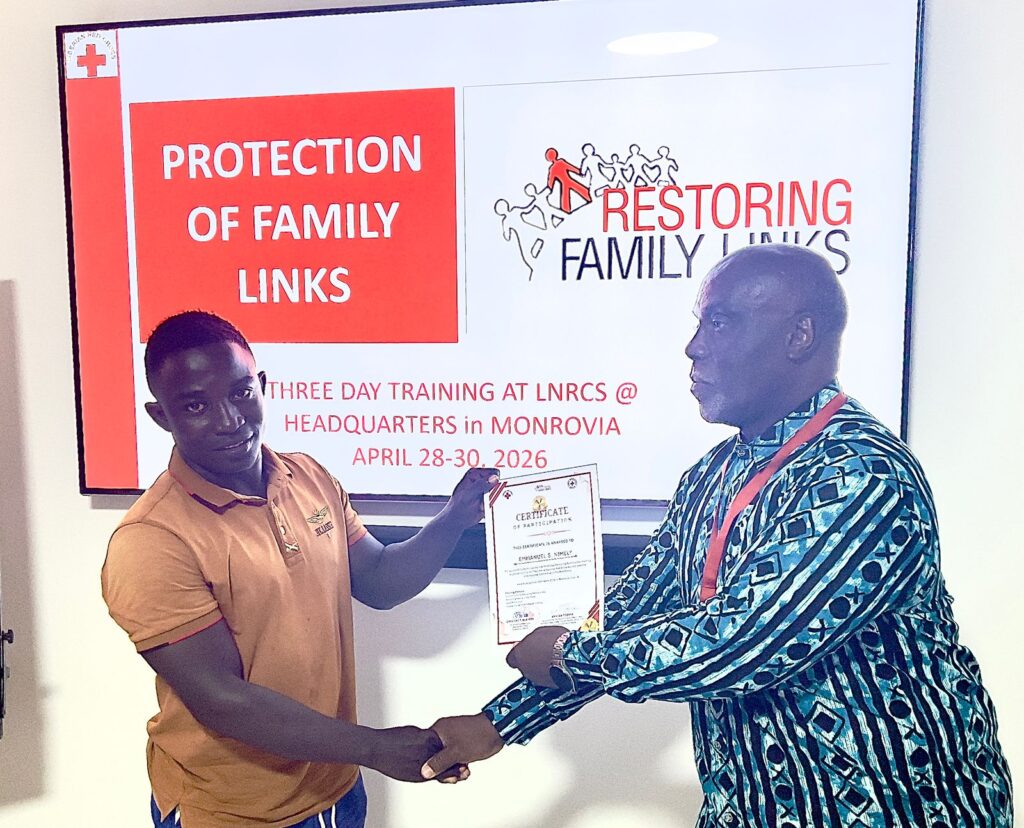
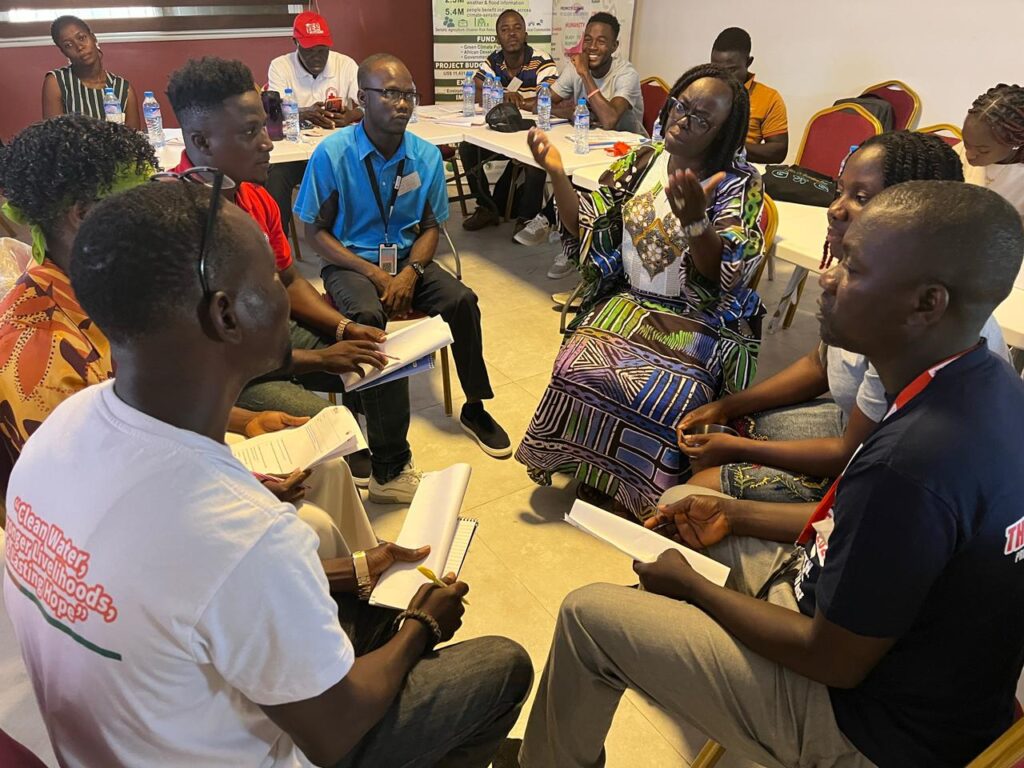
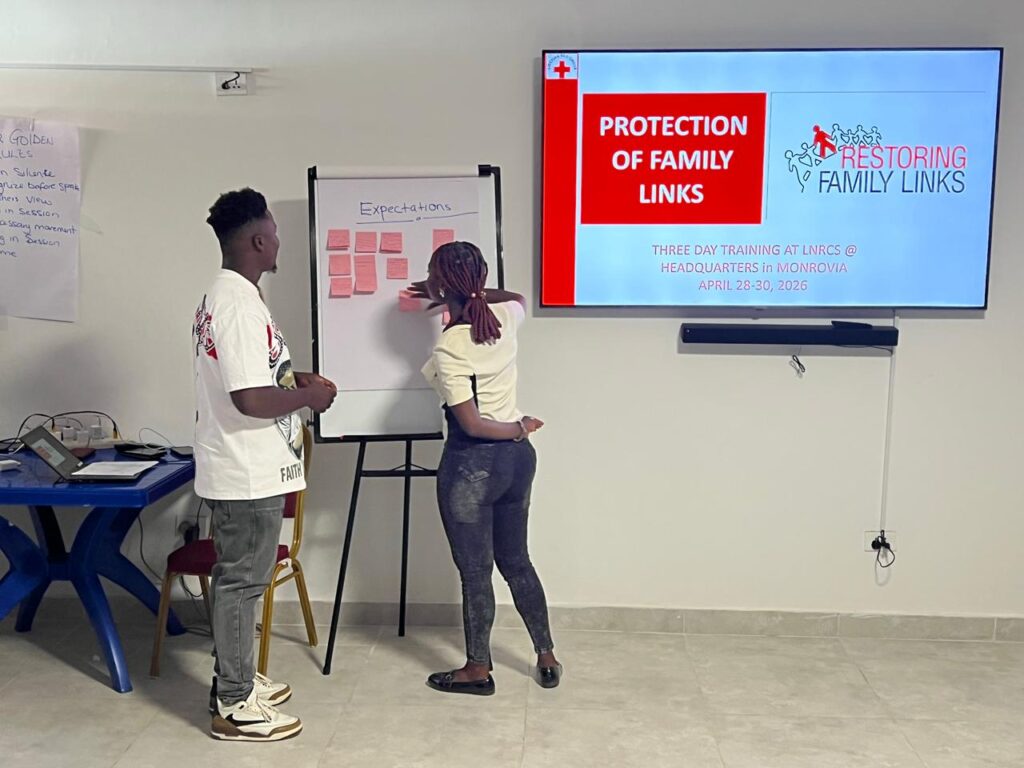
A three‑day training jointly organized by the Liberia National Red Cross Society and the International Committee of the Red Cross (ICRC) was successfully conducted to prepare volunteers from across Liberia to engage communities, protect family links, and take on new humanitarian tasks with confidence and compassion.
At least 20 volunteers attended the training which was conducted with practical exercises and role play to enable participants to learn by doing.
Volunteer Agnics Weah from Monrovia shared her excitement: “This training has given us the confidence to engage communities and protect family links. We now understand the importance of data protection and how to conduct searches responsibly. We are ready to serve.”
Another volunteer, Saah Joseph from Margibi County, expressed his motivation: “I joined the Red Cross to make a difference, and this training has shown me how powerful our work can be. Helping families reconnect gives hope, and I am proud to be part of this mission.”
A Renewed Commitment
With the presence and support of the ICRC, the LNRCS remains committed to offering RFL services in Liberia.: “Family separation is one of the most painful consequences of crises. By supporting the Liberia National Red Cross Society, we ensure that families regain hope and dignity. Together, we will strengthen the Family Links Network in Liberia,” the ICRC has said.
The LNRCS Head of Programs Mr. Christopher O. Johnson, LNRCS Head of Program also highlighted the strategic importance of RFL in Liberia:
“RFL is not just a service; it is a humanitarian necessity. By integrating PFL into our operational response, we ensure sustainability and relevance. This relaunch marks a new chapter in our ability to protect families across Liberia.”
With presence in all 15 counties, the Liberia National Red Cross Society is uniquely positioned to lead RFL activities. The relaunch, backed by ICRC, signals a renewed commitment to humanity, dignity, and resilience. As Liberia faces migration, deportation, and climate challenges, protecting family links will remain at the heart of humanitarian action.