
 October 29, 2025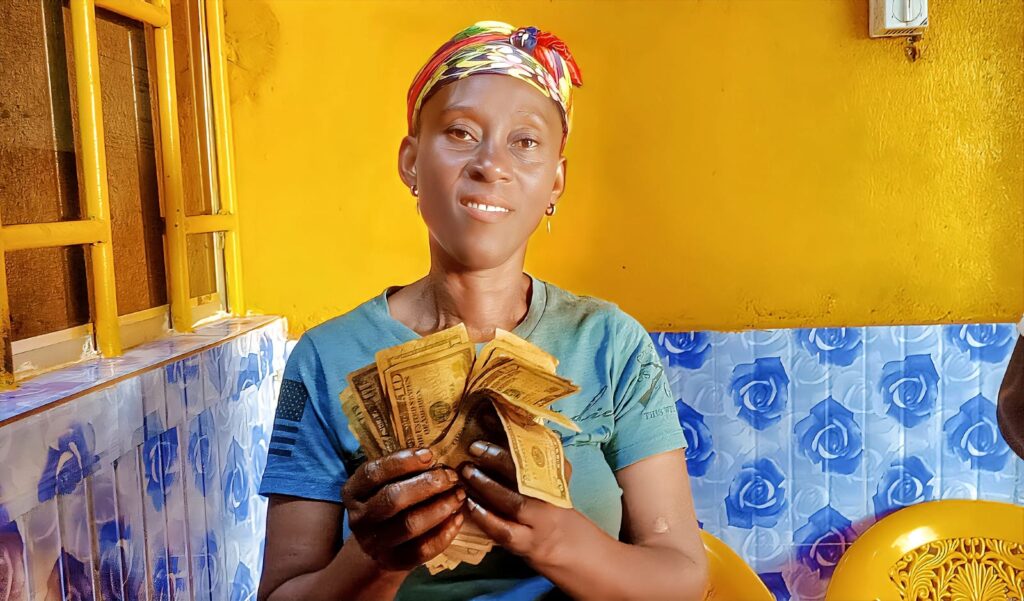
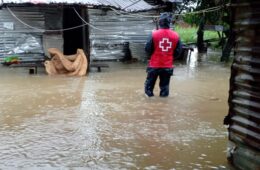
In communities once overwhelmed by floodwaters and despair, hope is flowing again. The Liberia National Red Cross Society (LNRCS), in partnership with the Economic Community of West African States (ECOWAS) and the National Disaster Management Agency (NDMA), has begun providing direct cash assistance to 1,820 families affected by the 2024 floods across Montserrado, Lofa, Bong, and Grand Cape Mount Counties.
The initiative, funded by ECOWAS and implemented by the Liberian Red Cross in collaboration with NDMA, forms part of a broader project titled “Strengthening Resilience and Supporting Disaster-Affected Populations in Liberia.” Launched in August 2024, the project aims to restore livelihoods, reduce vulnerabilities, and build long-term community resilience among disaster-affected populations.
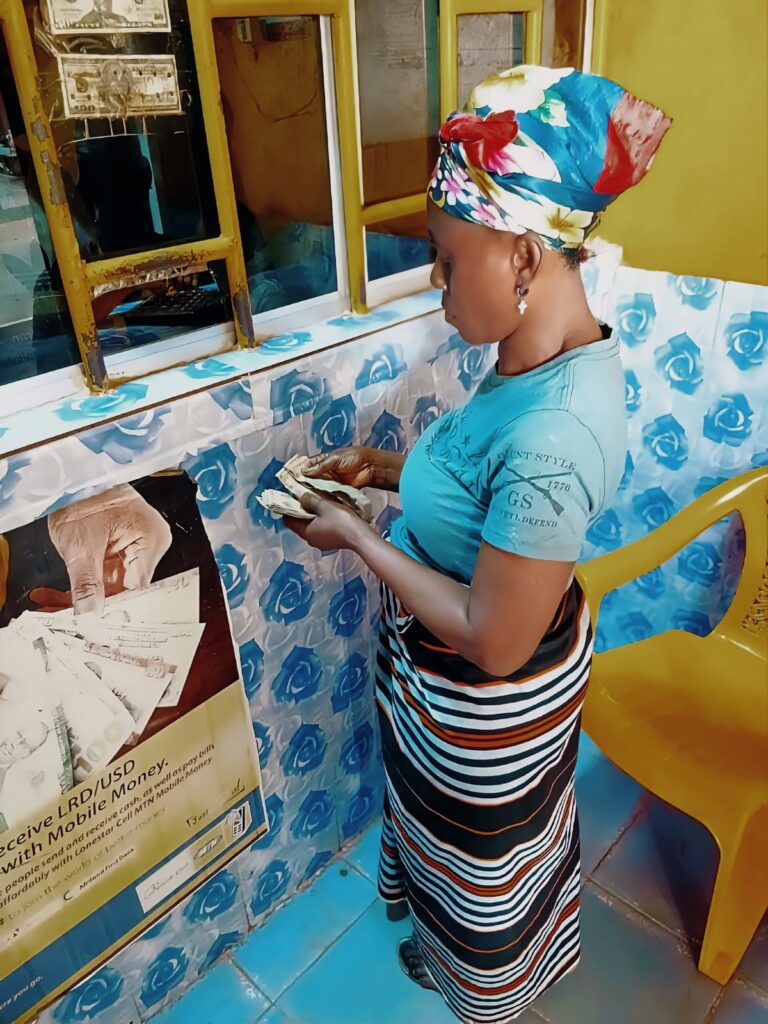
The program targets the most vulnerable households — including female-headed families, persons with disabilities, the elderly, pregnant and breastfeeding women, and families with children under five. Each family received a direct cash transfer to rebuild homes, restart small businesses, or meet pressing daily needs.
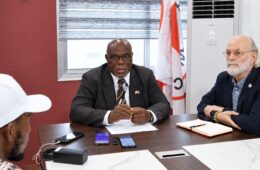
“This project is more than a humanitarian response — it is an investment in resilience, dignity, and empowerment for Liberian communities,” said Mr. Gregory T. Blamoh, Secretary General of the Liberia National Red Cross Society. “With the support of ECOWAS, NDMA, government institutions, and our dedicated Red Cross volunteers, we are confident that families will recover stronger and be better prepared for future shocks.”
During the official launch, ECOWAS Ambassador to Liberia, H.E. Josephine Nkrumah, reaffirmed ECOWAS’ commitment to standing with affected families. “This project is not just a symbol of support — it’s a declaration of solidarity. ECOWAS stands with the people of Liberia not just in words, but in meaningful action. When disaster strikes, we must rise together,” Ambassador Nkrumah said. “This initiative is about restoring livelihoods, restoring dignity, and reminding families that they are not forgotten.”
STORIES OF RESILIENCE AND GRATITUDE

Among the many beneficiaries, the stories of courage and determination are deeply inspiring. “I never received that kind of money since I became blind — today, I feel alive again,” said Joe Swen, a visually impaired resident of Matilda community.
“It is not good for a blind person to be begging in the street; it’s dangerous. I was living in the water, and when I put my foot down, the water could reach my knees. The money I received today — I never saw that amount in my life since I got blind. I am very happy and grateful to ECOWAS and the Red Cross for this help. I will use it wisely to take care of my needs.” Joe’s story reflects how simple acts of compassion can transform lives, especially for those who once felt forgotten.
For Theresa P. Moore, a single mother living in a zinc structure, the assistance was a lifeline. “For too long, my children and I lived in the water — today, I can finally start rebuilding our home,” she said after cashing out her payment. “I really appreciate ECOWAS and the partners for their goodwill. The water damaged my zinc shop and embarrassed me and my children. I will buy bricks to raise the foundation and zinc to fix the roof. Even if the water fills the yard, it should not enter our room again.”
Another beneficiary, Angeline Joe, fought back tears as she shared her story. “The water broke my house down — the sticks were rotting, and when it rained, it sounded like the house would collapse,” she said. “I received 250 U.S. dollars. With that, I will buy sticks and dirt to fix my house. I thank ECOWAS, the Red Cross, and the NDMA for coming to our aid. I am so happy that I don’t even know what to say.” Across the affected communities, hundreds of similar stories echo — tales of hardship turning into hope, and despair giving way to determination.

BUILDING A RESILIENT FUTURE
Beyond the cash transfers, the project is also investing in water access, agriculture, and livelihoods to help communities recover sustainably. Communities whose water facilities were damaged by the floods have been prioritized for restoration. Construction has begun on 19 new handpumps and two solar-powered water towers, along with the rehabilitation of 36 existing facilities to ensure consistent access to safe drinking water across the 11 communities.
In addition, 200 local farmers across the targeted counties have received training, seeds, farming tools, and agricultural supplies to restore food production and enhance climate resilience through sustainable farming practices.
Significant progress has already been made in the areas of Water, Sanitation, and Hygiene (WASH), Agriculture, and Livelihoods — reflecting a strong, coordinated partnership between ECOWAS, the Red Cross, and NDMA. These efforts go beyond immediate relief; they represent a shared vision to rebuild stronger, more self-reliant communities that can withstand future shocks.
As the floodwaters recede, what remains is a renewed sense of unity, dignity, and hope — a powerful reminder that when compassion, coordination, and community strength come together, no disaster is too great to overcome.