
 September 23, 2026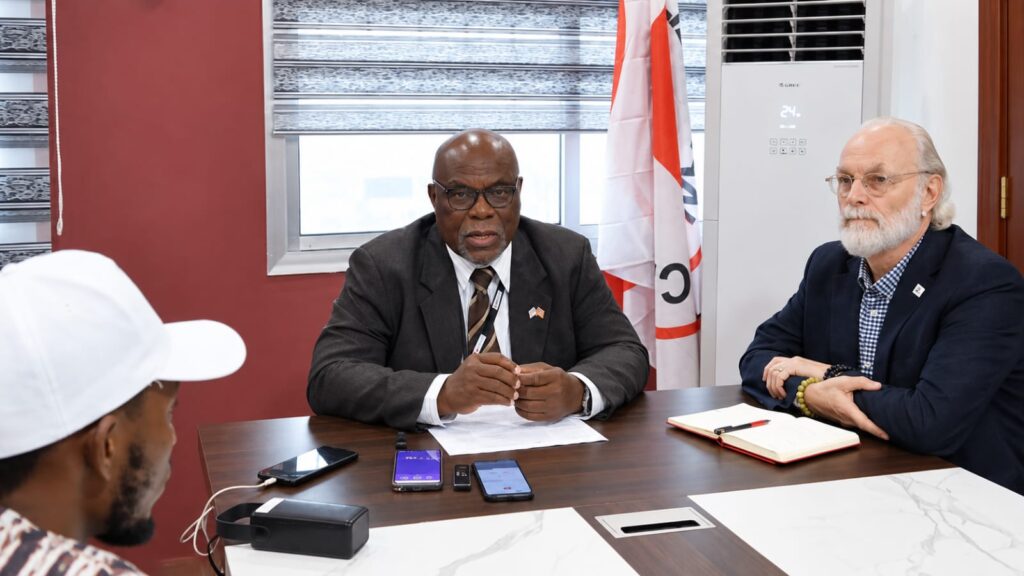
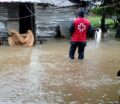
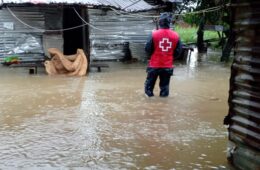
The Liberia National Red Cross Society (LNRCS) has launched its third major emergency response of the year, mobilizing more than US$584,000 to support flood-affected families in six counties following weeks of heavy rainfall that damaged homes, contaminated water sources and disrupted livelihoods across the country.
The response will target roughly 1,375 families — more than 7,525 people — in Margibi, Montserrado, Grand Cape Mount, Bong, Nimba and Grand Bassa counties.
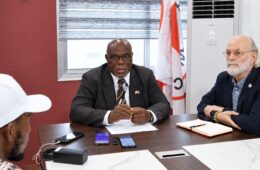
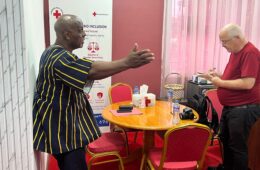
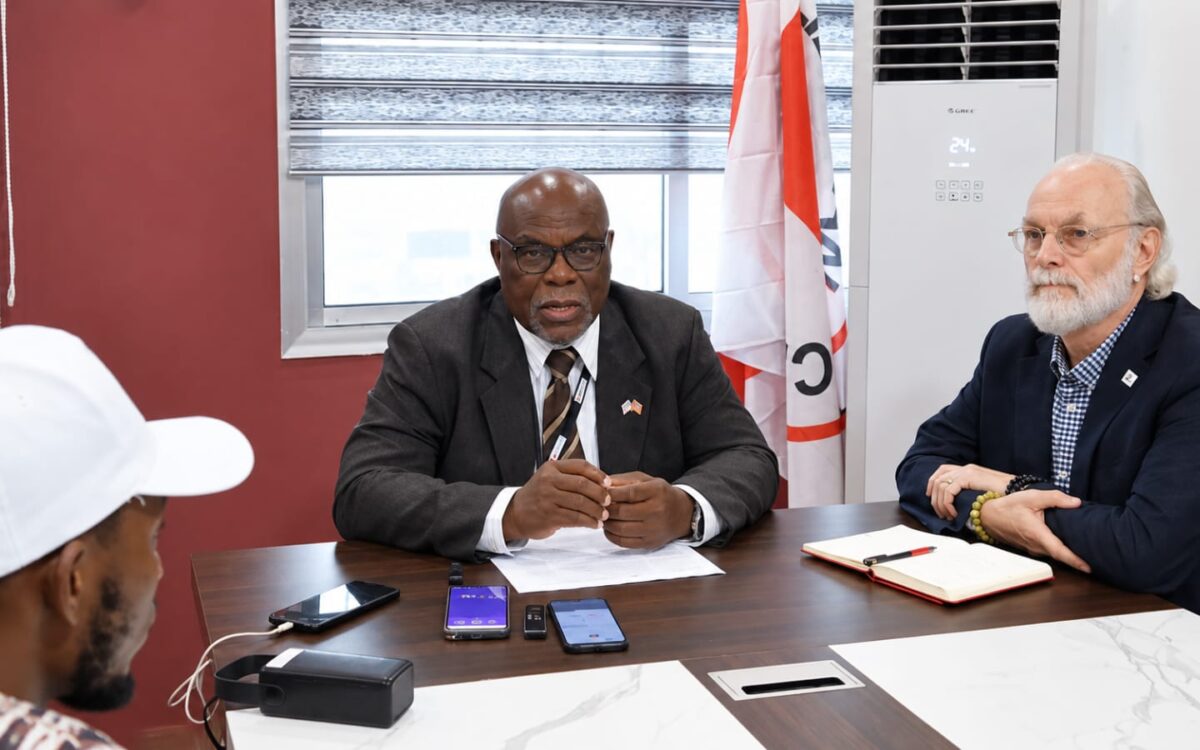
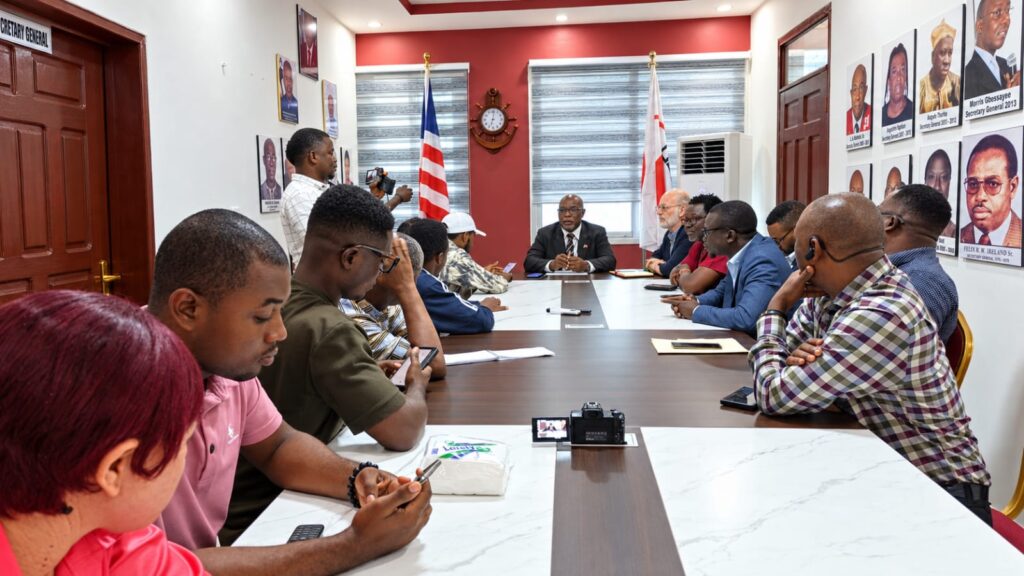
“This is the third time that we are meeting this year,” LNRCS Secretary General and CEO Gregory T. Blamoh said, noting that the organization had already responded to windstorm and fire disasters earlier in 2026 before turning its attention to the floods.
More Than US$584,000 Mobilized for Flood Relief
The flood operation is jointly funded by the International Federation of Red Cross and Red Crescent Societies (IFRC) through its Disaster Emergency Response Fund (DREF), along with support from the Swedish Red Cross. The Red Cross said nearly 45 percent of the IFRC-funded DREF contribution comes from the European Union, which has provided more than US$230,000 toward the response.
Blamoh said the organization has mobilized approximately US$575,000 in Liberian-dollar equivalent for the intervention, with the bulk of the funding channeled through IFRC and additional support from the Swedish Red Cross. He thanked the partner organizations for their support.
Assistance Targets the Most Vulnerable
Government assessments put the number of people affected by the flooding at more than 75,000, but the Red Cross says its resources fall far short of what would be needed to reach everyone.
“We are unable to reach all of the counties because we do not have the resources necessary to do so,” Blamoh said, adding that even within the six selected counties, the organization will not be able to assist every affected person.
Red Cross teams have carried out initial assessments to identify the most vulnerable households. Rather than distributing large quantities of food commodities, the organization is providing unconditional cash assistance, allowing families to decide how best to meet their own immediate needs.
“Part of the relief we give is cash transfer,” Blamoh said. “We don’t do that anymore. We transfer cash to them, which they can use to be able to get these things and other little things that they need.”
Shelter, Water and Sanitation Support
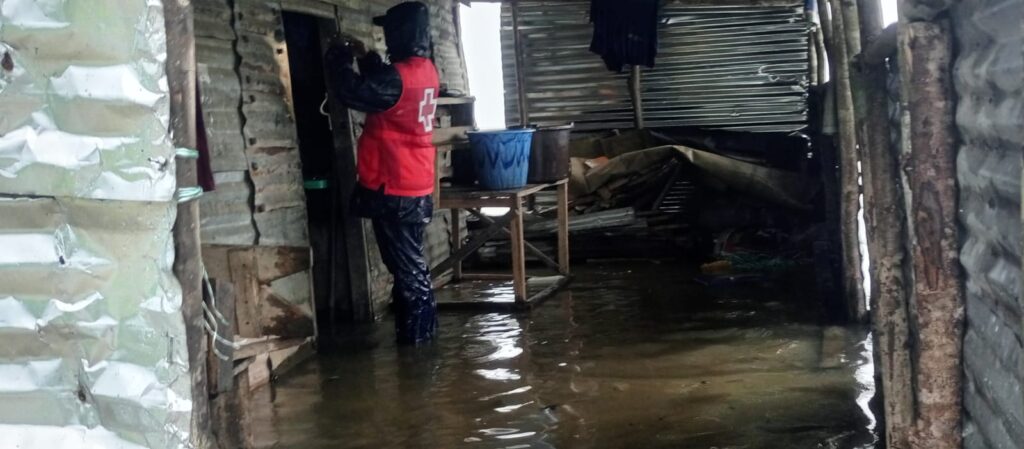
Beyond cash assistance, the response includes targeted shelter support. The Red Cross has identified 350 households whose homes were destroyed or so severely damaged that they are unsafe to occupy; those families will receive additional help to repair or rebuild.
The operation also addresses health and sanitation risks linked to the flooding, including repairs to damaged hand pumps and wells, distribution of water treatment chemicals, and the provision of mosquito nets in affected communities.
Third Emergency Response of the Year
The flood operation follows two earlier emergency responses in 2026. A windstorm response earlier in the year provided cash assistance and shelter construction materials to 2,792 people from 213 families in Nimba and Lofa counties. A separate fire response reached 1,643 people from 176 families affected by fire outbreaks in Montserrado, Margibi, Nimba, Rivercess and Grand Cape Mount counties.
The Red Cross said both interventions reflect its broader approach of pairing rapid cash assistance with shelter support for households whose homes have been destroyed or severely damaged.
Widespread Humanitarian Needs
The August flooding followed prolonged heavy rainfall that overwhelmed rivers, drainage systems and waterways in several parts of the country. Initial assessments found that more than 76,000 people from over 15,200 households were affected, with more than 5,000 people displaced from their homes. Houses, schools, health facilities, community structures and livelihoods were all damaged.
For families who depend on farming, petty trading, fishing and daily wage labor, the loss of productive assets and income has raised the risk of prolonged economic hardship, while contaminated water sources have heightened concerns about waterborne diseases and malaria. Affected families face urgent needs that include food, safe drinking water, medicine, hygiene supplies, clothing, transportation, temporary shelter and materials for household repairs.
Red Cross Appeals for Additional Support
With current resources able to reach only a fraction of those affected, the Red Cross says additional support will be needed to address the broader humanitarian fallout from the floods. Blamoh said the organization remains committed to responding within the limits of available resources while directing assistance to those with the greatest needs.
“Three emergencies in one year are a heavy burden for any community to carry, and they are also a heavy burden for us to respond to as an organization,” Blamoh said. “But this is exactly why the Liberian Red Cross exists – to move as fast as the need demands.”
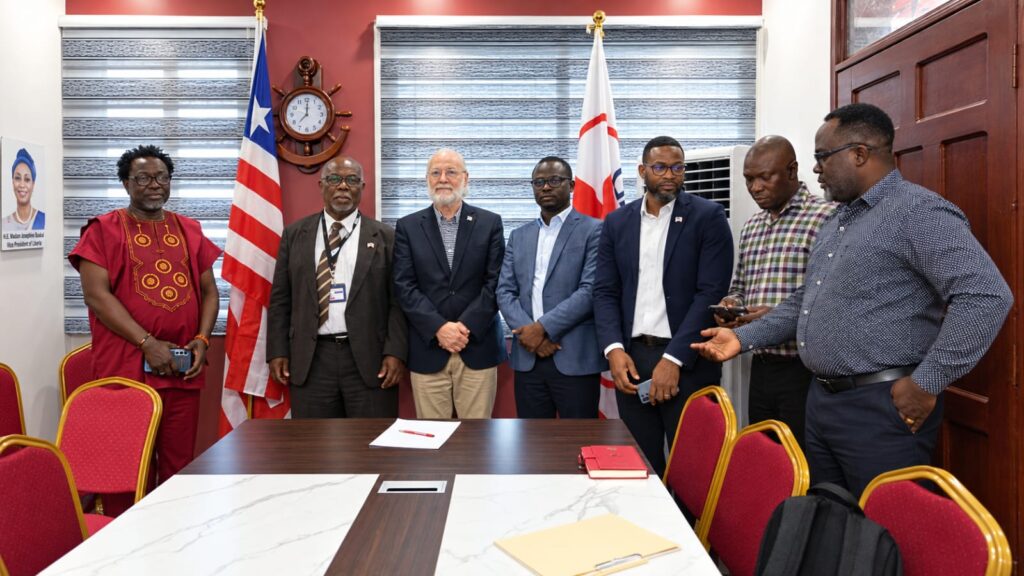
He said the organization will continue working with partners, local authorities and volunteers to reach affected communities, and expressed appreciation to the IFRC, the European Union, the Swedish Red Cross, the Government of Liberia and local authorities for their support and coordination. He singled out Red Cross volunteers for special recognition, citing their role in conducting assessments and delivering assistance following disasters.
As the flood operation continues, Red Cross teams will carry out further assessments and physical verification of beneficiaries to ensure assistance reaches households with the most urgent needs. The organization said it will keep appealing to humanitarian partners and the public for additional support as Liberia contends with the growing impact of disasters nationwide.