
 September 3, 2026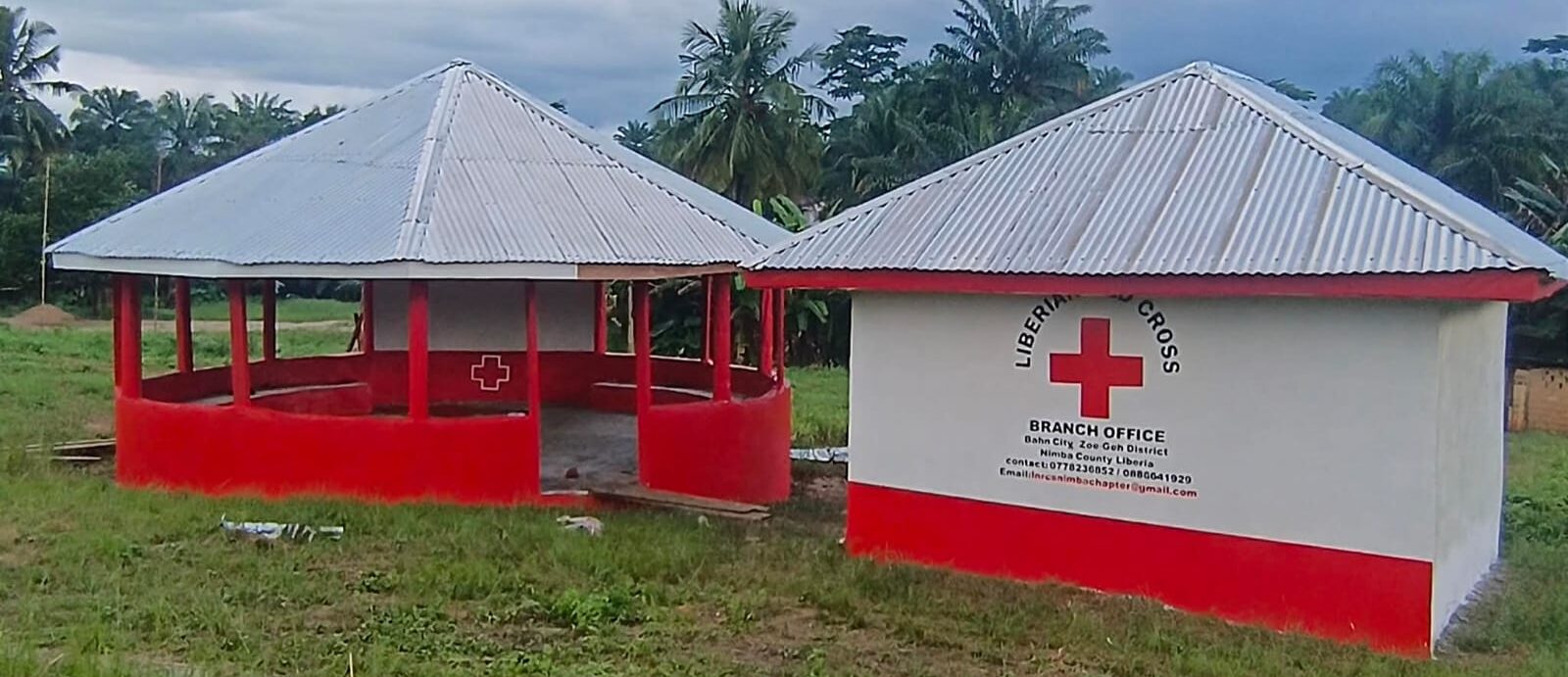
New branch offices are giving Red Cross volunteers a permanent home in the communities they serve, turning local presence into faster, more trusted humanitarian response.
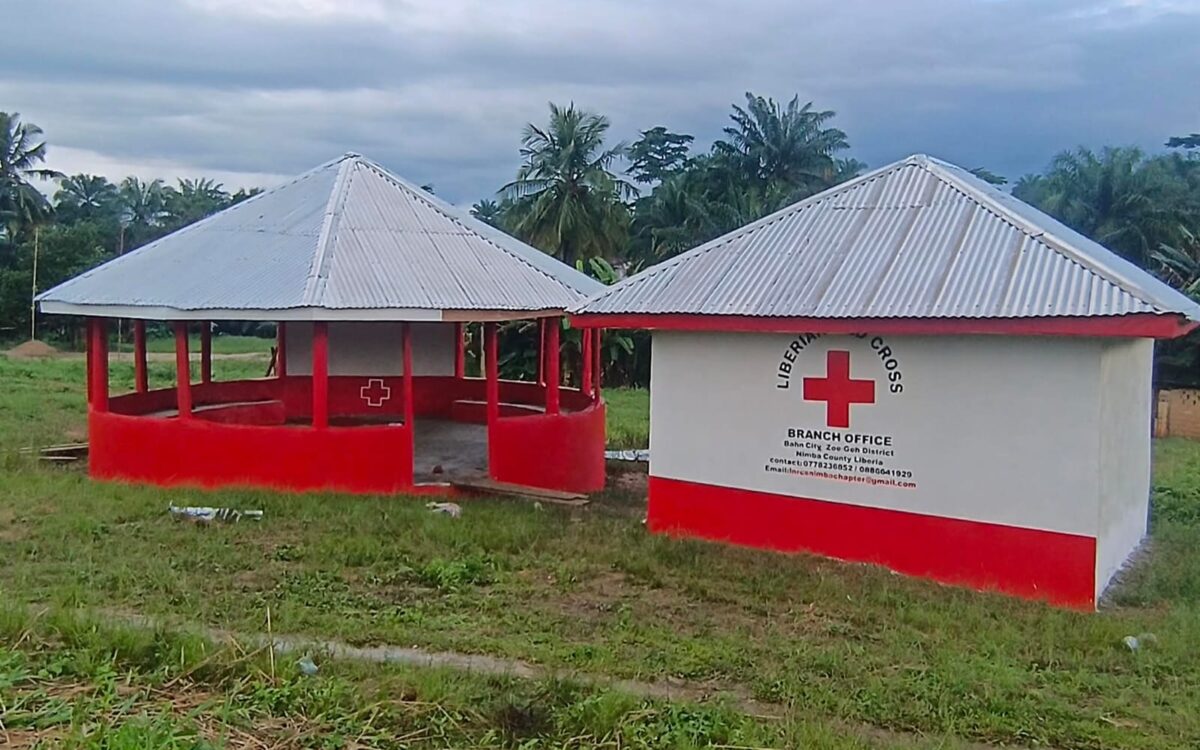
For decades, reaching a family in a flood-prone village in River Gee or a fire-affected community in remote Rivercess has depended on one thing above all: having Red Cross volunteers already there, living in the community, before disaster strikes. That is the thinking behind a renewed push by the Liberia National Red Cross Society (LNRCS) to construct and strengthen branch offices across the country, anchoring its humanitarian work more firmly in the very communities it serves.
The LNRCS is represented in all 15 counties through chapters, and in 92 districts through branches, supported by a network of volunteers and members nationwide. But a branch on paper is not the same as a branch with a physical presence on the ground where volunteers can meet, train, and coordinate their activities. The new branch office construction initiative is designed to close that gap, giving the local Red Cross teams a permanent home from which to serve their communities.
| “A branch office is more than a building — it is where trust is built. When people see a Red Cross presence standing in their own town, not just arriving after a disaster, they know we are truly one of them.— Gregory T. Blamoh, Secretary General/CEO, Liberia National Red Cross Society |
The construction effort is being carried out with support from the Swedish Red Cross, currently the only Movement partner maintaining an in-country presence supporting LNRCS, through a multi-year project focused on strengthening chapter and branch development, volunteer management, and community resilience.
“Our partnership with the Liberia National Red Cross Society is built on a simple belief: humanitarian work is strongest when it is rooted in the community it serves,” said the Swedish Red Cross Country Representative Armel Komena. “Investing in branch offices is investing in that local connection. It means volunteers have a base to organize from, communities have a trusted point of contact, and the Red Cross can act faster and stay longer, because it never truly left.”
| “We are not just funding walls and roofs. We are funding a system where LNRCS branches remain active, trusted, and self-sustaining long after any single project ends.— ARMEL KOMENA, Country Representative, Swedish Red Cross |
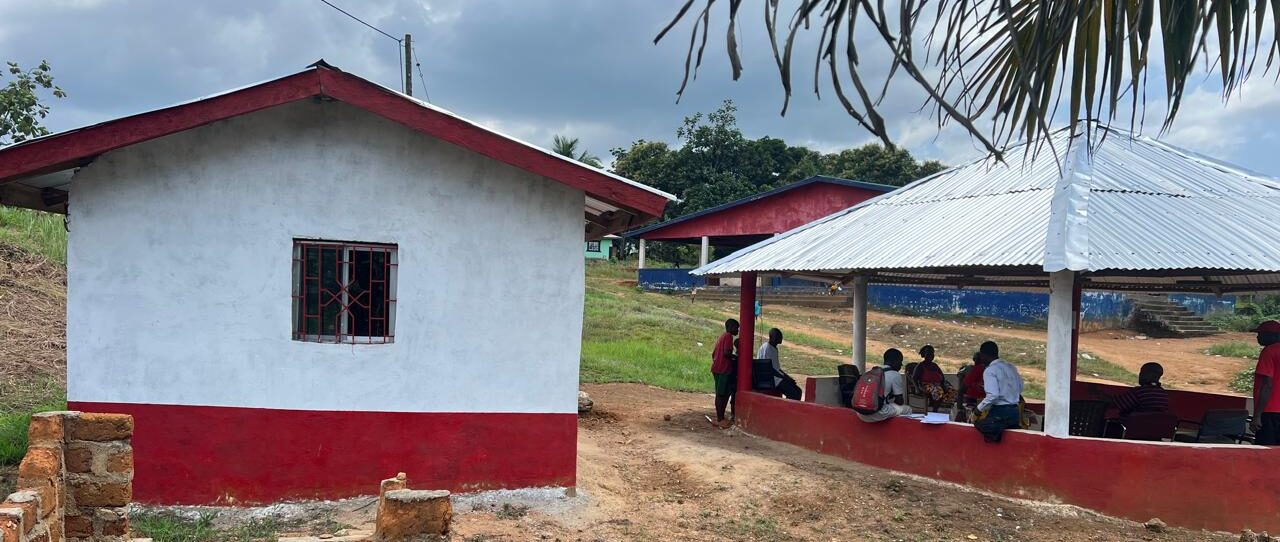
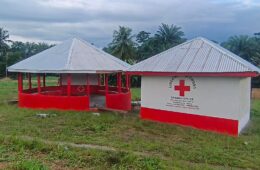
Each new branch office is expected to serve as a hub for disaster preparedness and response, health and hygiene promotion, and community-based protection work. For many rural branches, the offices will be the first dedicated Red Cross facility their district has ever had.
What makes many of these projects possible in the first place is something money cannot buy: land. In the majority of cases, the ground on which a new branch office now stands was not purchased but donated, given freely by community members who wanted a permanent Red Cross presence in their own town. Before a single brick was laid, these communities had already made their own investment in the project, a gesture LNRCS leadership points to as one of the clearest signs of how deeply local ownership runs through the initiative.
Local volunteers say the difference is already being felt. In counties where branch infrastructure has improved, community members increasingly view the Red Cross not as an outside responder that appears only in emergencies, but as a fixture of daily life — present at community meetings, running health outreach, and training young volunteers long before any disaster occurs.
“For me, the Red Cross was always the people who came from Monrovia or from the city when something bad happened,” said a longtime volunteer Moore Kruah in Nimba. “Now, with our own office here, we are the Red Cross. Our neighbors know where to find us, and we know our community better than anyone driving in from outside ever could.”
That sense of ownership shows up in the construction itself. In several communities, Red Cross volunteers did not simply wait for their branch office to be built — they helped build it. Volunteers rolled up their sleeves to mold bricks by hand and support the physical construction work alongside contractors, turning the project into something closer to a barn-raising than a hand-out. For them, the finished office will not be a building the Red Cross gave them; it will be one they helped raise themselves, brick by brick.
The LNRCS Secretary General emphasized that the branch construction program is part of a broader strategy of decentralizing humanitarian capacity, so that response decisions and resources sit closer to the communities most at risk. “Disasters do not wait for permission from headquarters,” the Secretary General said. “The stronger our branches are, the faster and more dignified our response can be, because it is led by people who live there, who understand the terrain, the culture, and the needs, long before the emergency occurs.”
As construction continues across multiple counties, LNRCS leadership says the branch office construction reflects the Red Cross’s founding purpose, dating back more than a century: to be present wherever Liberians need help, before, during, and after crisis. For communities that have long felt distant from national Headquarters, a permanent Red Cross office in their own town carries a message that goes beyond bricks and cement — it says they have not been forgotten.
“This is what local presence really means,” the LNRCS Secretary General said. “Not a flag that appears for a week and disappears. A door that is always open, in every corner of this country.”
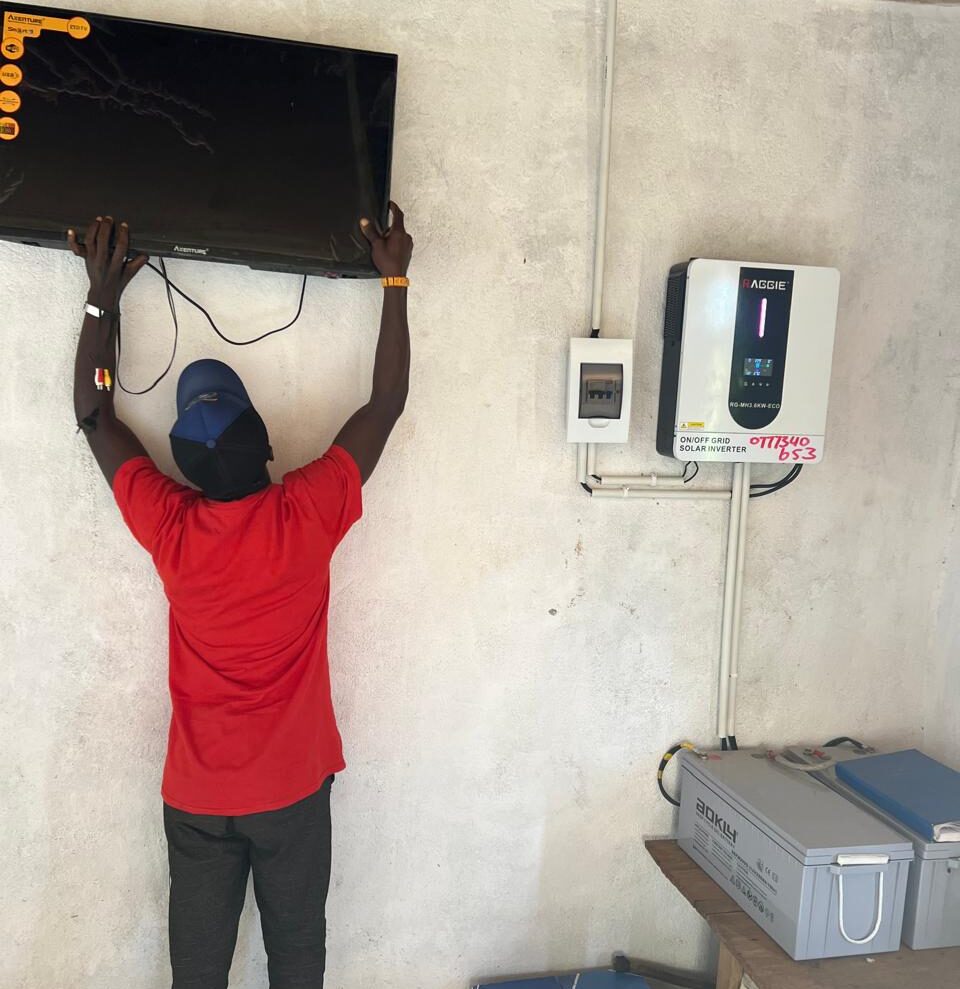
Each office will serve as a resource center for youth and community members, equipped with solar lighting and television, designed to bring people together and put humanitarian services within reach. This is what it means to be truly present: not just visible, but accessible. Every branch office stands as a symbol of humanity, hope, solidarity, and love — a place where the community can turn for support, information, and connection.